Oil Pressure Warning Light: Why You Should Stop Driving
The red oil pressure light means low oil pressure, not just low oil. Here's why to stop driving fast, what to check, and the common causes.
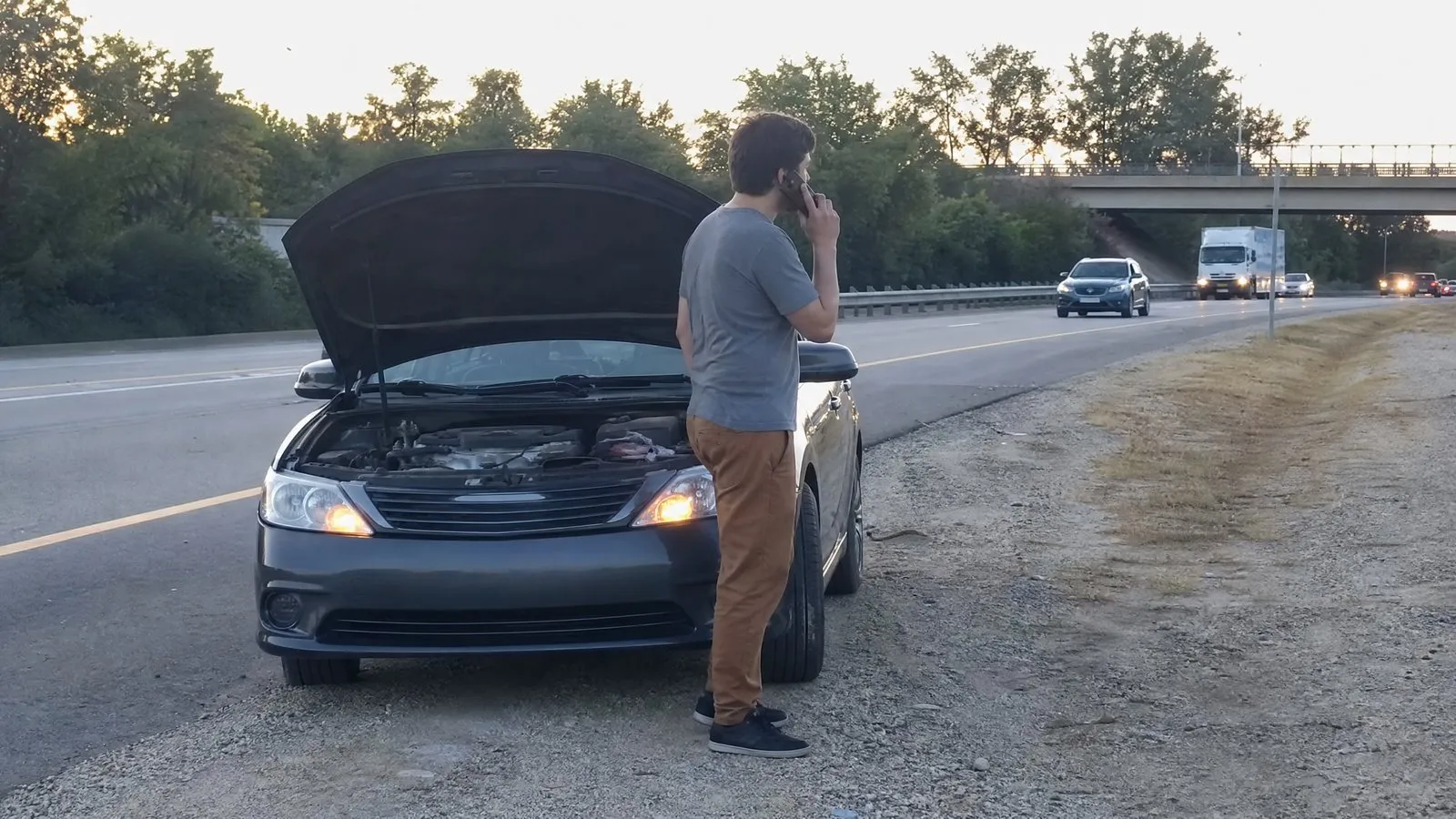
If the red oil can light comes on and stays on while you’re driving, pull over safely as soon as you can and shut the engine off. This light usually means low oil pressure, not simply low oil level, and an engine running without enough oil pressure can suffer major damage in a matter of minutes. The cost of a tow is a few hundred dollars. The cost of a seized engine is often $4,000 to $8,000 or more.
This is one of the few dashboard warnings where “drive it to the shop” is the wrong move. Treat the red oil light like a stop-now signal.
What the red oil light actually means
The symbol is a red or amber oil can, sometimes with a drip. When it glows red while the engine is running, the car’s sensor is reporting that oil pressure has dropped below a safe threshold.
Here’s the key distinction many drivers miss: this is a pressure warning, not a level gauge. Your engine has an oil pump that pushes oil through narrow passages to coat bearings, the camshaft, and other fast-moving metal parts. That pressurized film is the only thing keeping metal from grinding on metal. If pressure falls, those parts touch, generate heat instantly, and start to weld and tear themselves apart.
Low oil level is a common cause of low pressure, but it’s not the only one. You can have plenty of oil on the dipstick and still have a pressure problem if the pump, a sensor, or an oil passage has failed.
For a broader rundown of what each symbol means, see our dashboard warning lights explained guide and our interactive warning light guide.
Why driving on it can destroy an engine in minutes
Engine bearings run on a film of oil thinner than a human hair. When pressure disappears, that film collapses almost immediately. At highway rpm, the crankshaft is spinning thousands of times per minute, so the damage compounds fast.
Within a few minutes of running with no oil pressure you can see:
- Spun or wiped bearings
- A scored crankshaft
- Seized pistons
- A cracked or warped cylinder head
Once that happens, the fix is usually an engine rebuild or replacement, not a repair. That’s why the right instinct is to stop, not to “just make it home.”
One important exception to how you react, not whether you stop: if stopping immediately would put you in danger—say you’re in a live traffic lane or on a blind curve—get to a safe spot first, even if that means driving a short distance at low speed. A damaged engine is better than a collision. But move to safety and then shut down right away.
What to do, step by step
- Signal and pull over. Get fully off the road—a shoulder, parking lot, or side street. Turn on your hazard lights.
- Turn the engine off. Don’t let it idle while you think about it. Idling still runs the engine dry.
- Wait a few minutes. Let the engine sit so the oil drains back down and the parts cool. Five to ten minutes is enough.
- Check the oil level when it’s safe to open the hood. Pull the dipstick, wipe it, reinsert it fully, and read it. Our guide on how to check your engine oil walks through it. If the level is low, topping up with the correct oil grade (listed in your owner’s manual and on the cap) may restore pressure.
- Restart only to confirm. If you added oil and brought the level into range, start the engine and watch the light. If the red oil light goes out within a couple of seconds and stays out, you can cautiously continue—but get it inspected soon. If the light stays on, shut the engine off immediately and don’t restart it.
- Call for help. If the oil was already at the correct level, or the light won’t go out, don’t drive. Call roadside assistance or a tow. This is the moment a trusted shop matters—see how to find a good mechanic you can trust.
Listen and look for other clues
While you’re stopped, note anything else:
- Knocking, ticking, or clattering from the engine points to a serious internal problem. Don’t restart.
- Burning oil smell or smoke suggests a leak onto hot parts.
- A puddle under the car. Fresh, slippery, amber-to-brown fluid is likely engine oil.
- The temperature gauge climbing. Low oil and overheating sometimes travel together; if the car is also overheating, read car overheating: what to do.
Give any of this information to the mechanic. It helps them diagnose faster and cheaper.
Oil level light vs oil pressure light
Not every oil warning is the catastrophic kind, and some cars have two separate alerts. Knowing which one you have changes how urgently you act.
| Warning | What it means | Typical color | How urgent |
|---|---|---|---|
| Oil pressure (red oil can) | Oil pressure has dropped below safe level | Red | Stop now, engine off |
| Low oil level | Oil quantity is getting low, but pressure is still okay | Amber/yellow, or a text message | Top up soon, no emergency |
| Oil change / service reminder | Time or mileage interval reached | Amber/yellow or text | Routine; schedule a change |
Many everyday cars only have the single red pressure light. Some newer vehicles—often European models and well-equipped crossovers—add a separate low-oil-level warning or a dashboard text message like “Oil level low.” A yellow level warning or a service reminder is not an emergency: you can usually finish your trip and top up or book an oil change. A red pressure light is different and means stop.
If you’re unsure which one your car showed, check the owner’s manual. The manual is always the final word for your specific vehicle, because colors and symbols vary by maker.
Don’t confuse the oil light with other red and amber lights either. The battery warning light (charging) and the check engine light mean completely different things and call for different responses.
Common causes of low oil pressure
Once you’re safely stopped, it helps to understand what might be behind it. These range from cheap and simple to expensive.
Low oil level. The most common and most fixable cause. Oil gets low from normal consumption, a leak, or a missed oil change. If the dipstick reads below the minimum mark, that alone can trigger the light. Checking oil monthly prevents most of these—it takes two minutes in our 10-minute monthly car checklist.
A leak. Worn gaskets or seals, a loose drain plug, or a bad oil filter can drop the level fast. A sudden leak can empty enough oil in one drive to trigger the warning.
Old, broken-down oil. Oil that’s long overdue for a change gets thick with contaminants and sludge, which clogs passages and reduces flow. This is one more reason to stick to the right interval—our guide on how often to change your oil and the oil change calculator can help.
A failing oil pump. The pump is what creates the pressure. When it wears out, pressure drops even with a full crankcase. This is a repair, not a top-up.
A faulty oil pressure sensor or sending unit. Sometimes the oil and pump are fine and the sensor is wrong, giving a false alarm. This is good news when it’s the case—it’s a relatively cheap part. But you cannot assume it’s “just the sensor” on the roadside. Treat the light as real until a mechanic confirms otherwise.
Wrong oil viscosity. Oil that’s too thin or too thick for your engine and climate can read as low pressure, especially in extreme cold or heat. Always use the grade your manual specifies.
Worn engine bearings. High-mileage engines develop extra clearance in the bearings, which bleeds off pressure. This often shows up as a light that flickers at idle and goes out when you rev. It still warrants a prompt inspection.
A note on flickering at idle
If the oil light flickers briefly at idle—especially when the engine is hot—and goes out as soon as you add a little throttle or start moving, that’s often an early warning of marginal oil pressure or a low level. It’s not the same as a steady red light at speed, but it’s a clear sign to check your oil immediately and get the car looked at soon, before it becomes the stop-now version.
How to avoid ever seeing this light
Most oil-pressure emergencies trace back to oil that was too low or too old. A little routine attention prevents the expensive version.
- Check your oil monthly and before long trips. Learn the two-minute routine in how to check your engine oil.
- Change your oil on schedule. Follow your manual’s interval and don’t stretch it indefinitely.
- Watch for leaks. A spot of oil on the garage floor is worth investigating early.
- Fix oil consumption. If your engine uses noticeable oil between changes, tell your mechanic rather than just topping up forever.
- Follow a maintenance plan. Our car maintenance schedule for beginners puts these habits on a calendar.
Keeping a quart of the correct oil grade in your trunk is cheap insurance. If the light comes on and you’re simply low, you can top up and be on your way, and you’ll avoid paying gas-station prices in an emergency.
When to call a professional
Call for a tow and a mechanic if any of these are true:
- The red oil light stays on after you’ve confirmed the oil level is correct.
- You hear knocking, ticking, or clattering from the engine.
- The light comes back on shortly after you topped up and restarted.
- You’re not comfortable checking the oil yourself, or you can’t do it safely where you are.
There’s no shame in calling for help here. Oil pressure problems are one of the rare car issues where guessing wrong is genuinely expensive, and a short delay to get proper diagnosis protects your engine.
FAQ
Can I drive just a mile or two to get home or to a shop?
No—not with a steady red oil pressure light. Serious damage can happen in minutes, so a mile is enough to ruin an engine. Stop, shut it off, and get it towed. The only exception is moving a short distance to reach a safe spot away from traffic.
The light came on but my oil level looks fine. Now what?
Don’t assume it’s a false alarm. If the level is correct and the red light stays on, the problem is likely the oil pump, a blocked passage, or a failing sensor—all of which need a mechanic. Keep the engine off and arrange a tow rather than risk it.
What’s the difference between the red oil light and a yellow oil warning?
The red oil can means low oil pressure and requires you to stop immediately. A yellow or amber warning—or a “low oil level” text message—usually means the quantity is getting low but pressure is still fine, so you can top up soon without it being an emergency. Check your manual to confirm what your car uses.
How much does it cost to fix low oil pressure?
It depends entirely on the cause. Topping up low oil is nearly free, and a faulty oil pressure sensor often runs around $100 to $350 with labor. An oil pump replacement is typically several hundred to over a thousand dollars, and a damaged engine from driving on no pressure can run $4,000 to $8,000 or more. See our average car repair costs guide for context.
Will topping up the oil turn the light off?
If the only problem was a low oil level, yes—adding the correct oil to bring it into range can restore pressure and clear the light within a couple of seconds of restarting. If the light stays on after topping up, there’s a deeper issue, and you should shut the engine off and call for help.
A note on health information: Our guides are general information for typical passenger cars. Always follow your vehicle's owner's manual, and have safety-critical problems such as brakes or steering checked by a qualified mechanic. If a warning light is red or the car drives differently, stop safely and get help.