Battery Light On While Driving: What It Means and What to Do
Battery light on while driving usually means a charging system fault. Learn how long you have, how to reduce load, and how to get somewhere safe.
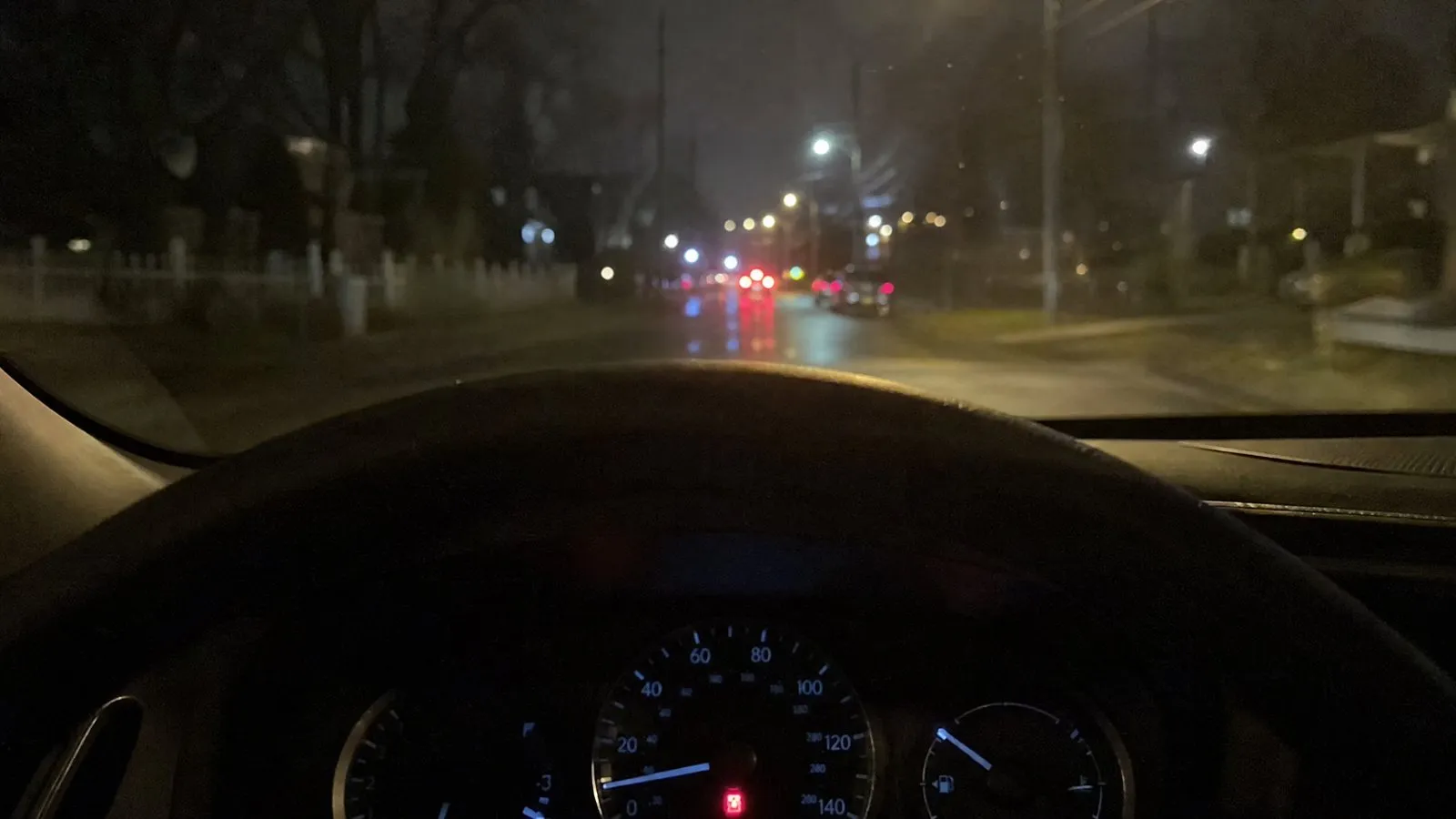
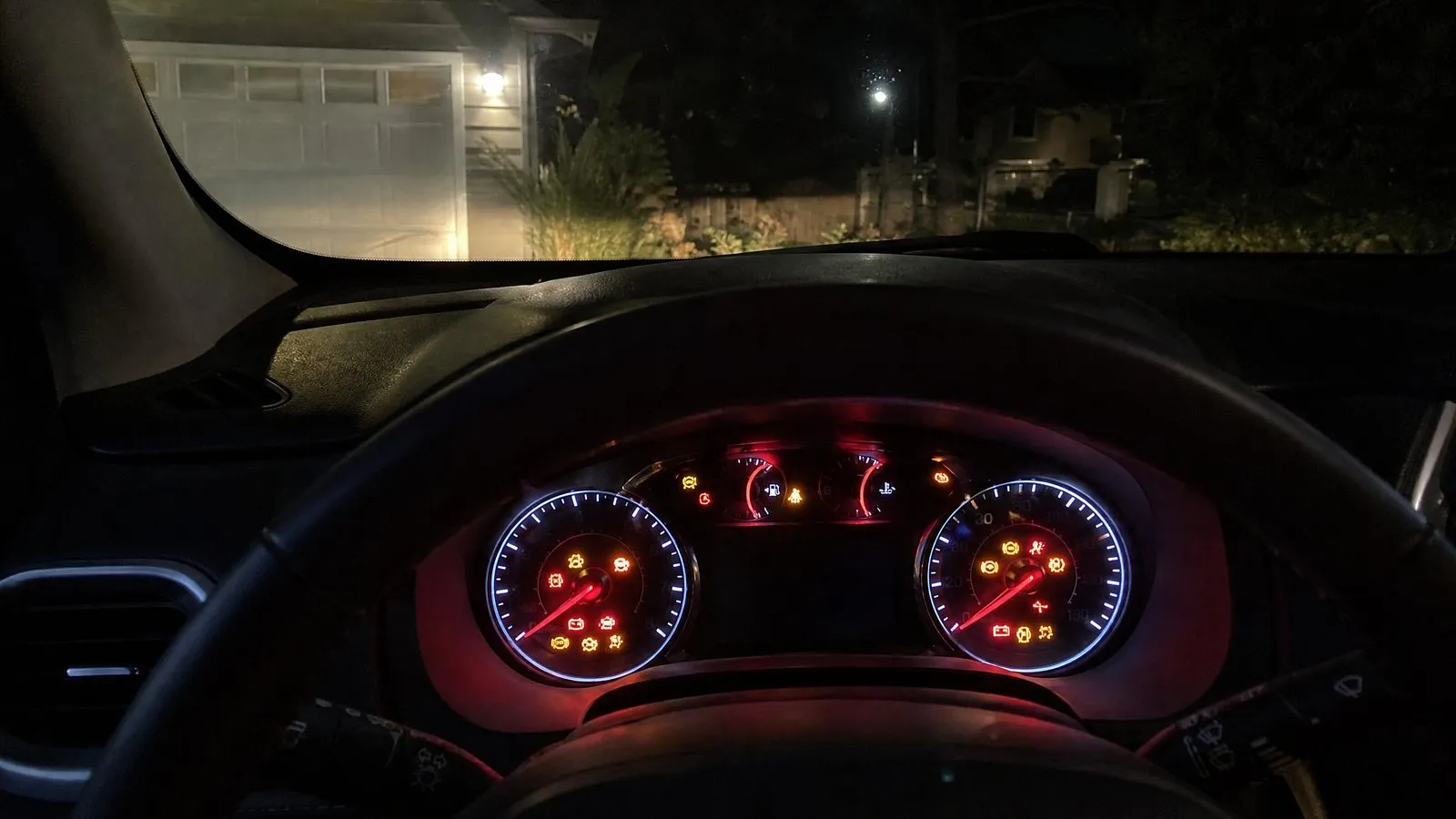
The battery light on your dashboard almost always means a charging system problem, not simply a weak battery. Your car runs its electronics off the battery, and the alternator is supposed to recharge that battery and power everything while the engine runs. When the light comes on, the alternator has likely stopped charging, so your car is now running on battery reserve alone.
That reserve is limited. You usually have 20 to 60 minutes of driving before things start shutting down, sometimes less at night with headlights on. So the plan is simple: reduce electrical load, head somewhere safe, and don’t shut the engine off until you’ve arrived.
What the battery light actually means
The symbol looks like a small battery (a box with + and − terminals). But it’s really a charging system warning, not a battery-health gauge.
Here’s what’s happening under the hood. The alternator, driven by a belt off the engine, generates electricity while you drive. It powers your lights, radio, climate fan, and ignition, and it tops off the battery. When the system detects that charging voltage has dropped below normal (typically it should sit around 13.5 to 14.7 volts while running), it turns on the light.
Common causes, roughly in order of how often they show up:
- A failing alternator — worn brushes, a bad diode, or a dead voltage regulator inside it.
- A broken or slipping drive belt (often called the serpentine belt). If this belt snaps, the alternator stops spinning entirely, and on many engines the water pump stops too, which can lead to overheating.
- Loose, corroded, or broken wiring or connections at the battery terminals or alternator.
- A failing battery that the alternator can’t keep up with, or a blown fusible link.
The light can’t tell you which of these it is. That’s a job for a shop with a meter. Your job right now is to get there safely.
How long before the car stalls?
Once the alternator stops charging, everything draws down a battery that isn’t being refilled. How long it lasts depends on the battery’s condition and how much you have switched on.
Expect something in this range:
| Situation | Rough time before problems |
|---|---|
| Daytime, minimal accessories (no A/C, radio off) | 45–60+ minutes |
| Normal daytime driving | 30–45 minutes |
| Night, headlights, wipers, heater fan, defroster | 15–30 minutes |
| Weak or old battery to begin with | As little as 10–15 minutes |
These are estimates, not promises. A tired battery can quit much sooner. As voltage falls, you may notice dimming headlights, a dash that flickers, slow power windows, a weak radio, or a warning chime. Those are signs the clock is running out.
One important point: on many modern cars, electric power steering and electronic throttle depend on electrical power. As the battery fades, steering can get much heavier and the car may lose power. That’s why you don’t wait for the last minute to pull over.
What to do right now, step by step
-
Stay calm and keep driving — don’t restart. If the engine is running, leave it running. The alternator may be doing nothing, but the engine itself doesn’t need the alternator to keep turning. If you shut off and the battery is low, it may not restart.
-
Turn off every electrical load you don’t need. This buys you time. Switch off the air conditioning or heater fan, the radio, heated seats, heated rear window, and any charging phones. In daylight, you can turn off headlights (keep them on if visibility or law requires). Wipers and headlights at night are safety items — keep those and sacrifice comfort features instead.
-
Decide where you’re going. If you’re close to home or a trusted shop and it’s a short, safe drive, head straight there. If not, aim for a well-lit, safe place to stop — a parking lot, not a highway shoulder.
-
Avoid stop-start traffic if you can. Idling at lights still drains the battery, and restarting takes a big gulp of power. Steady movement is easier on a fading system.
-
If steering gets heavy or the engine stumbles, pull over promptly. Don’t push your luck in traffic. Get safely off the road while you still have control.
-
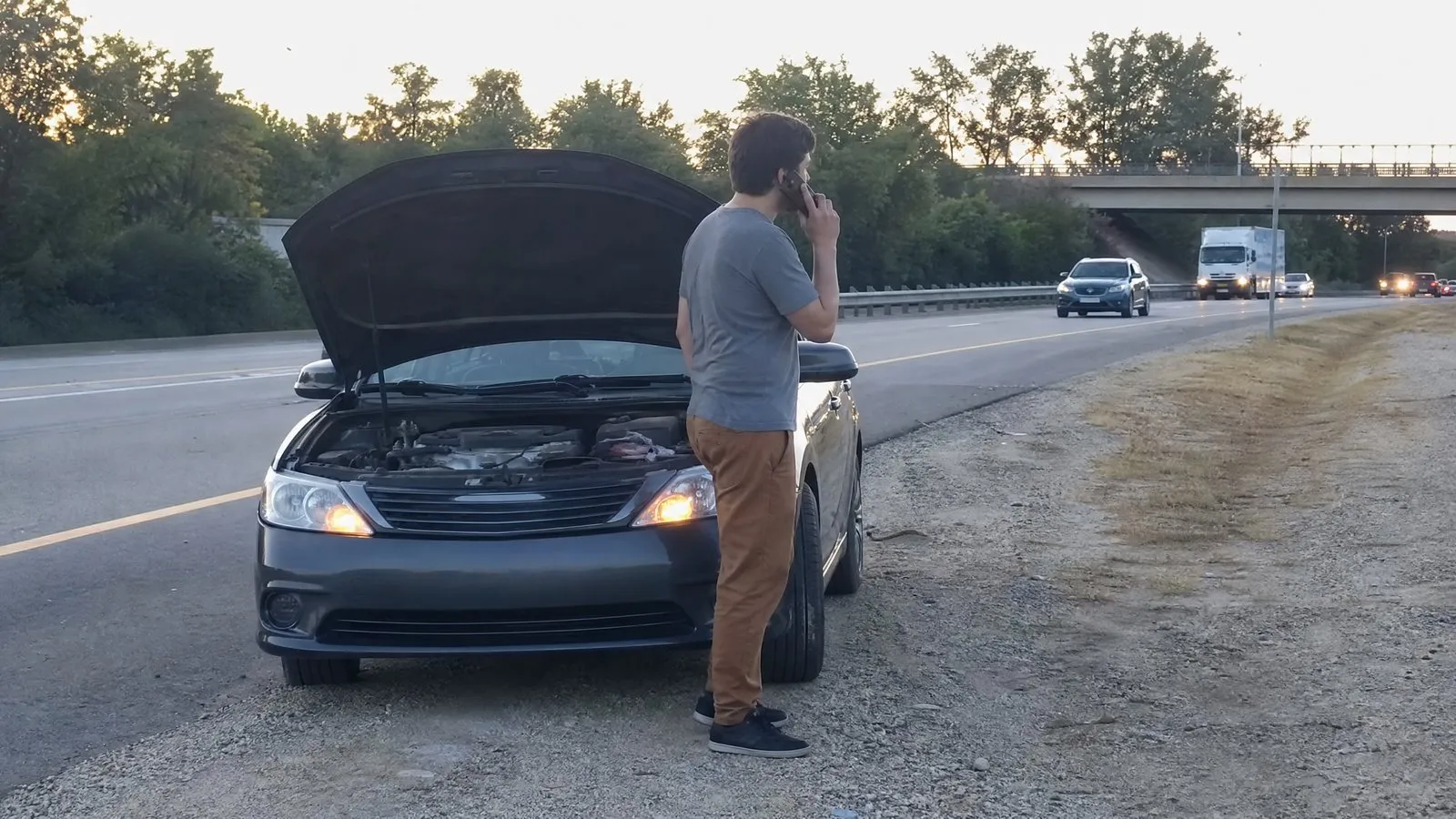
Once stopped, call for help. A tow or roadside assistance call is far cheaper than a crash or a damaged engine. If you suspect the belt is gone (you may hear a loud squeal, then a temperature gauge climbing), stop and do not keep driving — see the overheating note below.
The overheating exception: stop sooner
If the battery light comes on and your temperature gauge starts rising, treat it as urgent. On many engines the same serpentine belt drives both the alternator and the water pump. A snapped belt means no coolant circulation, and the engine can overheat within minutes.
Don’t try to nurse an overheating engine to the next town. Pull over, shut it off, and get help. Running it hot can warp the cylinder head or blow the head gasket — a repair that often runs well into four figures. Our guide on what to do when your car is overheating walks through the safe steps.
What a shop does to test the charging system
Charging problems are diagnosable in minutes with the right tools. A good shop won’t guess. Here’s the typical process, so you know what you’re paying for.
- Battery load test. They test the battery’s voltage and its ability to hold a load. A healthy, fully charged battery reads about 12.6 volts at rest. They also check its cold-cranking performance against its rating.
- Charging voltage test. With the engine running, they measure voltage at the battery. It should rise to roughly 13.5–14.7 volts. If it stays near 12 volts or lower, the alternator isn’t charging.
- Alternator output and ripple test. A charging-system tester checks whether the alternator produces its rated amperage and whether a bad internal diode is leaking “AC ripple” into the system.
- Belt and tensioner inspection. They look for a cracked, glazed, or loose serpentine belt and check that the automatic tensioner holds the right pressure.
- Connection and ground checks. Corroded battery terminals or a loose ground strap can mimic a dead alternator and are cheap to fix.
Many auto parts stores will test your battery and alternator for free if you can get the car there — though if the car won’t run, that’s a tow. The free test is a reasonable first step; a full diagnosis at a repair shop usually costs around $50 to $130 and is often credited toward the repair.
Typical repair costs
Prices vary widely by vehicle and region, but here’s a realistic range for planning:
| Repair | Typical US cost (parts + labor) |
|---|---|
| Serpentine belt replacement | $100–$350 |
| Belt tensioner | $150–$400 |
| Alternator replacement | $400–$1,000+ |
| Battery replacement | $150–$350 |
| Clean/repair terminals or ground | $20–$150 |
Luxury and some import engines sit at the high end, especially where the alternator is buried and labor-intensive to reach. For more context on what fair prices look like, see our average car repair costs guide, and read up on how to avoid unnecessary repair upsells before you say yes to extra work.
Can you just replace the battery and move on?
Often, no. If the alternator isn’t charging, a brand-new battery will drain and leave you stranded again. This is a common and expensive mistake — buying a battery to “fix” a charging light that was never the battery’s fault.
The honest sequence is:
- Have the charging system tested, not just the battery.
- Fix the actual cause (alternator, belt, or wiring).
- Replace the battery too only if it was damaged by being deeply discharged, which does happen when it gets run flat.
If your battery was already old, replacing it at the same time can be sensible. Our guide on how long a car battery lasts covers the warning signs of a battery that’s simply worn out.
Jump-starting won’t fix a charging problem
A jump start can get a car with a dead battery and a good alternator running again. It will not rescue a car with a bad alternator — the engine may start, but it’ll stall again once the battery drains, usually within minutes.
If you do jump-start to move the car a short distance to safety, do it correctly. Our step-by-step guide to jump-starting a car safely covers cables and jump packs. Just understand it’s a way to buy a few miles, not a repair.
How to lower your odds of this happening
Charging failures aren’t always preventable, but a few habits catch many of them early:
- Do a monthly look under the hood. A quick glance can catch a cracking belt or corroded battery terminals before they strand you. Our 10-minute monthly car checklist shows exactly what to look at.
- Replace the serpentine belt on schedule. Most owner’s manuals call for inspection around 60,000 miles and replacement somewhere between 60,000 and 100,000 miles. A cracked, shiny, or frayed belt is living on borrowed time.
- Keep battery terminals clean and tight. White or green crust at the terminals adds resistance and stresses the charging system.
- Follow your maintenance schedule. Belts, battery, and inspections all live there. See our car maintenance schedule for beginners.
It also helps to know your dashboard. The battery light is one of several you should never ignore — our dashboard warning lights explained guide covers what each color and symbol is telling you, and you can look up a specific symbol with our free Warning Light Guide.
As always, your owner’s manual is the final word for your specific car — belt intervals, charging specs, and which systems depend on battery power all vary by model. If the light is on and you’re unsure, the safe move is to reduce load, get somewhere safe, and have a professional test the charging system before you drive it farther.
FAQ
Is it safe to drive with the battery light on?
For a short distance, usually yes — long enough to reach home or a shop. But you’re on borrowed time because the battery isn’t being recharged. Turn off accessories, don’t shut the engine off, and stop if steering gets heavy, the engine stumbles, or the temperature gauge climbs.
How long can I drive before the car stalls?
Typically 20 to 60 minutes, but as little as 10 to 15 at night with headlights, wipers, and the heater running, or with an old battery. Treat it as “get somewhere safe now,” not “finish my errands.”
Is the battery light the same as the check engine light?
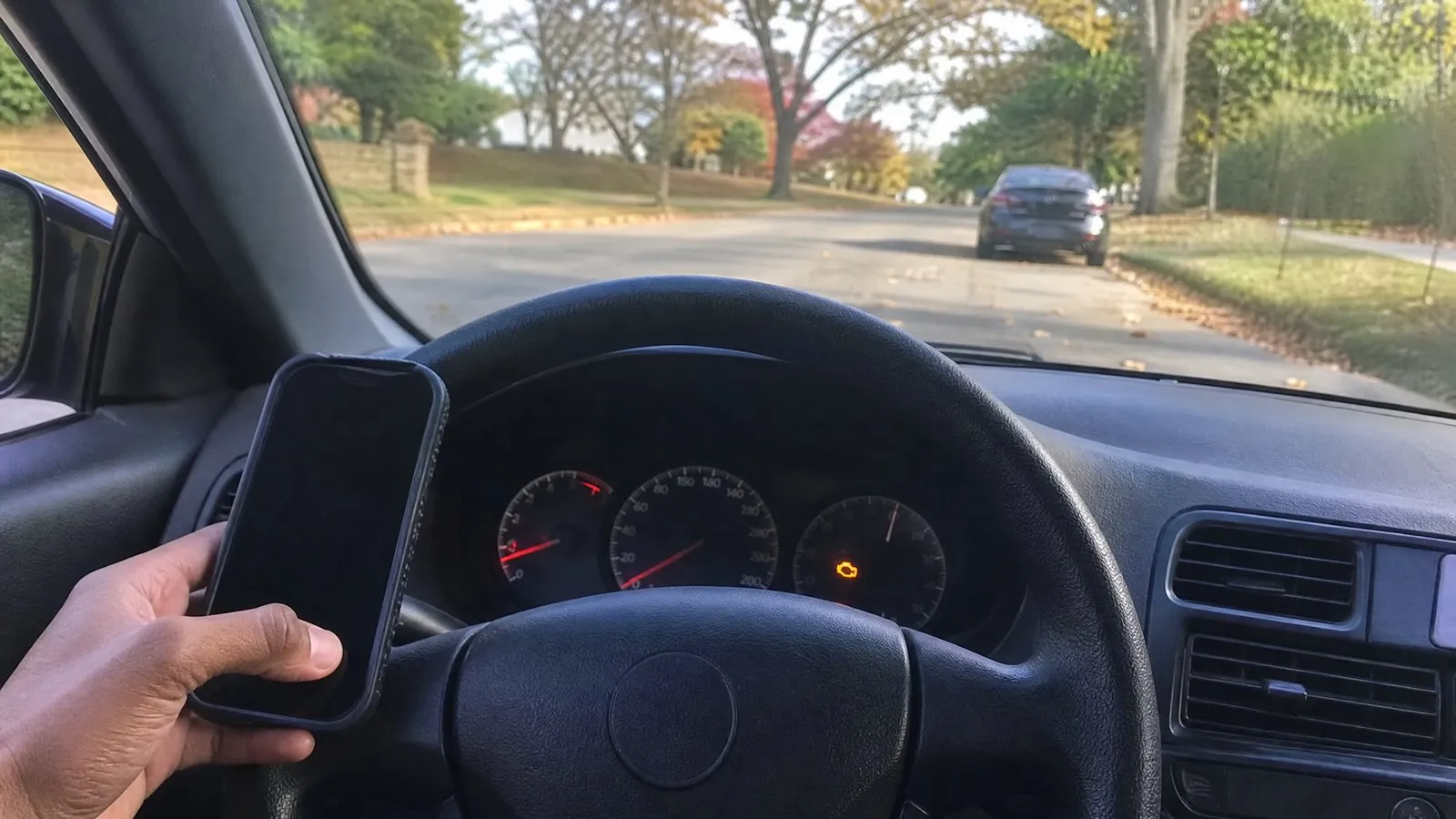
No. The battery light is a charging system warning. The check engine light covers emissions and engine management faults. They’re unrelated systems — see our guide on what to do when the check engine light comes on.
Will a new battery fix the battery light?
Usually not. The light most often points to the alternator, belt, or wiring. A new battery on a car that isn’t charging will go flat again. Get the charging system tested before buying parts.
Can I jump-start my way out of this?
Only to move the car a short distance to safety. If the alternator is the problem, the engine will stall again soon after the jump. A jump start buys a few miles; it doesn’t repair a charging fault.
A note on health information: Our guides are general information for typical passenger cars. Always follow your vehicle's owner's manual, and have safety-critical problems such as brakes or steering checked by a qualified mechanic. If a warning light is red or the car drives differently, stop safely and get help.