Dashboard Warning Lights Explained: What Each One Means
Dashboard warning lights explained: what red, amber and green mean, plus a quick-reference table of the 10 most common lights and what to do.
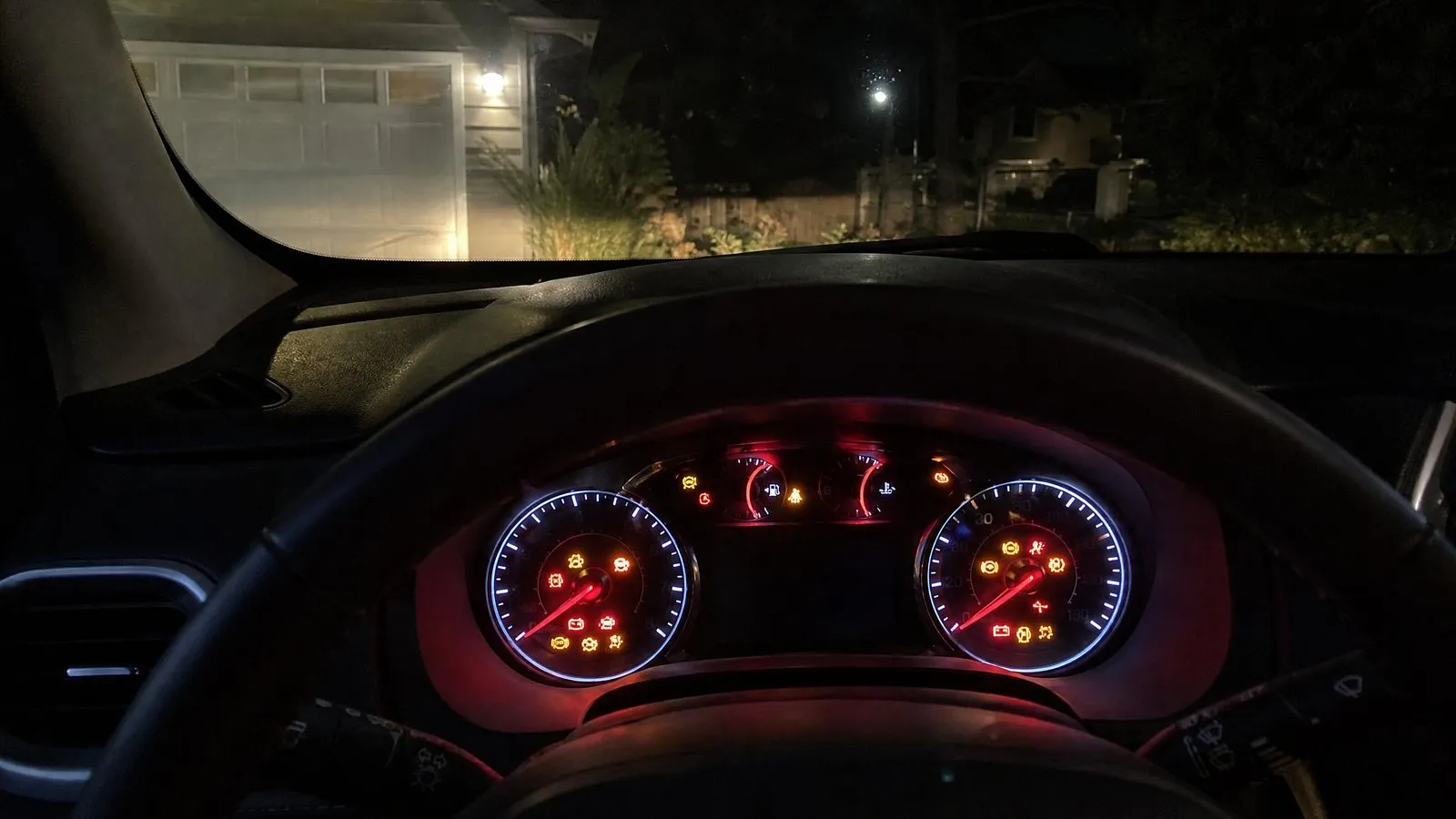
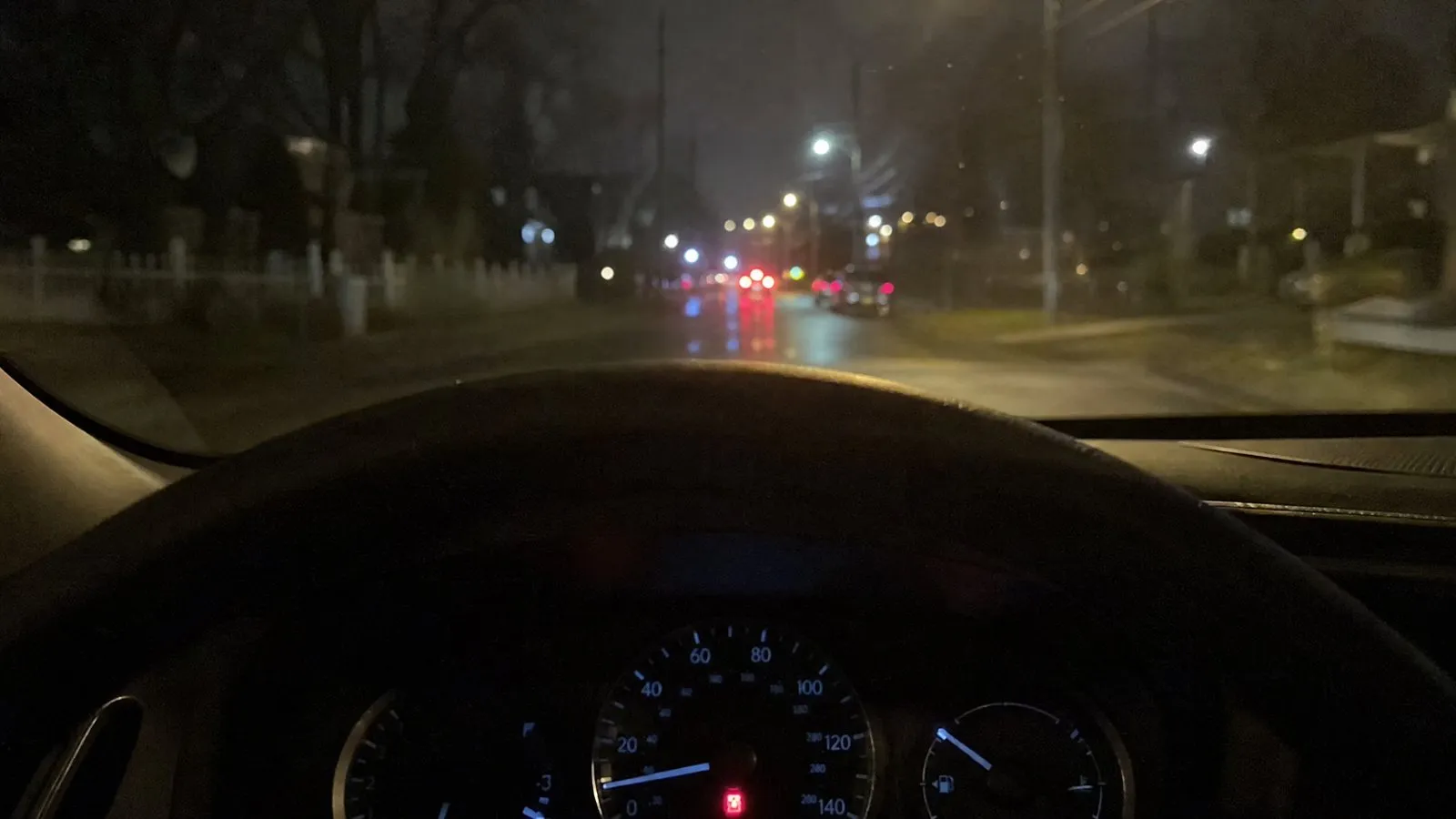
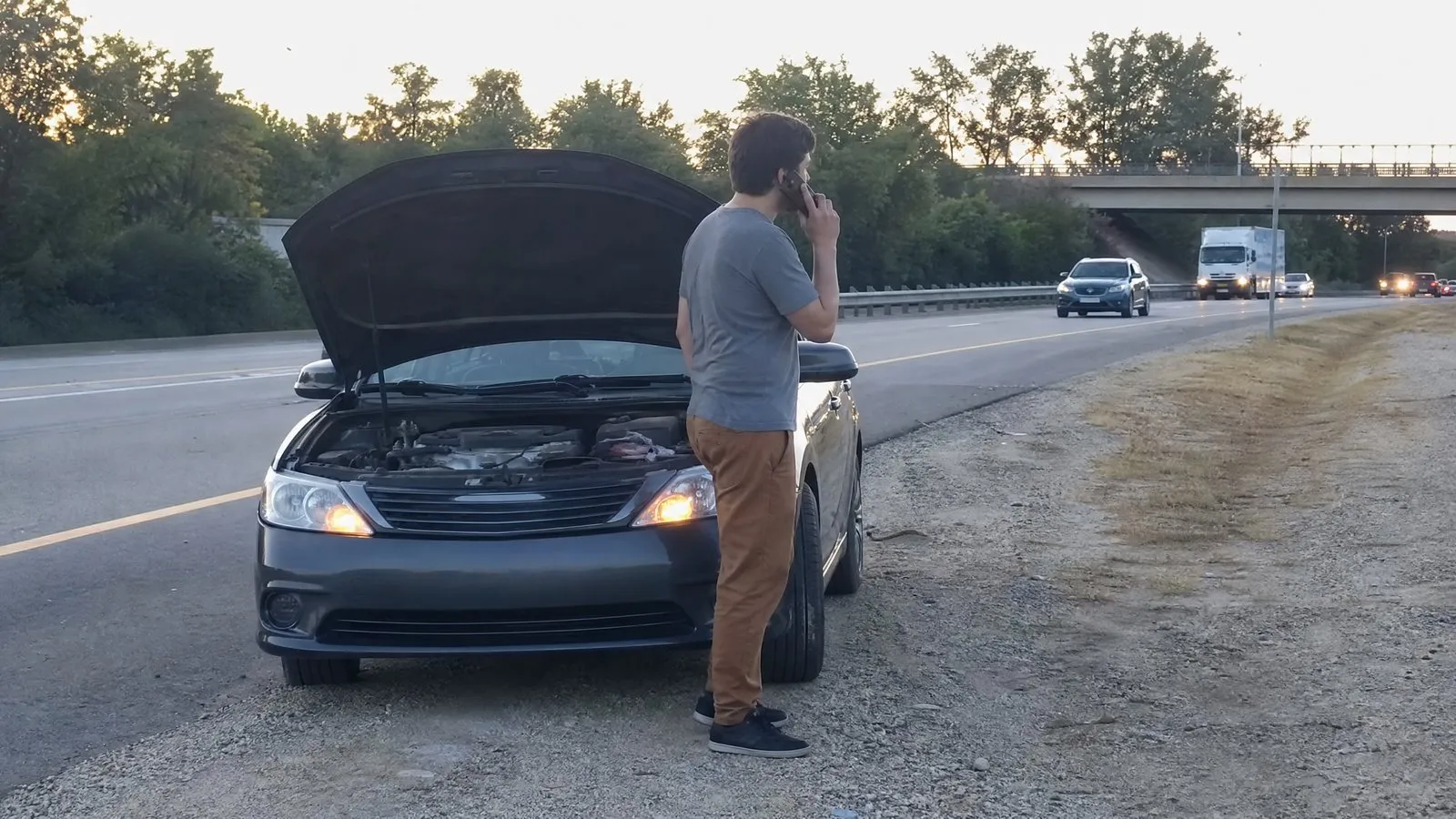
When a warning light comes on, the color tells you how urgent it is. Red means stop or act now. Amber or yellow means check soon. Green or blue is just information. When in doubt, slow down, find a safe place to pull over, and check your owner’s manual, which is the final word for your exact car.
This guide explains the color system, walks through the ten lights drivers ask about most, and tells you what to actually do for each one.
The color system
Modern dashboards borrow the same logic as a traffic light. Learn the colors and you already understand most of what your car is telling you.
- Red – A serious safety or mechanical problem, or a reminder that something is unsafe (like an unfastened seatbelt). A steady red light for oil pressure, brakes, charging, or coolant temperature means stop as soon as you safely can. Continuing to drive can cause expensive damage or put you at risk.
- Amber or yellow – A system needs attention, but you usually have time to drive to a safe stop or a shop. Don’t ignore it. A flashing amber light is more urgent than a steady one.
- Green or blue – Information only. The system is on or working: headlights, turn signals, cruise control, high beams. No action needed.
A quick memory aid: if a light comes on and you’re not sure what it is, treat red as “pull over and check” and amber as “find out within a day or two.”
A note on symbols
Symbols vary by manufacturer. A TPMS warning might look like a flat tire with an exclamation point on one car and a cross-section of a tire on another. Most carmakers follow broadly similar icons, but there’s no single global standard, so the same idea can look different between a Toyota, a Ford, and a VW. Your owner’s manual has a full legend, and our Warning Light Guide lets you search by symbol to find the meaning fast.
Also normal: when you first turn the key or press start, most lights briefly illuminate as a self-check, then go out within a few seconds. That’s the system confirming the bulbs work.
Quick-reference table: the 10 most common lights
| Light | Usual color | What it means | What to do |
|---|---|---|---|
| Oil pressure | Red | Engine is losing oil pressure | Stop now. Shut off the engine safely; do not keep driving |
| Coolant temperature | Red | Engine is overheating | Pull over, turn off A/C, let it cool. Do not open a hot cap |
| Brake system | Red | Parking brake on, low brake fluid, or a fault | Release parking brake; if it stays on, stop and get help |
| Battery / charging | Red | Charging system not keeping up | Turn off extras, drive to a shop soon; may stall |
| Airbag (SRS) | Red | Airbag system fault | Drive to a shop; airbags may not deploy in a crash |
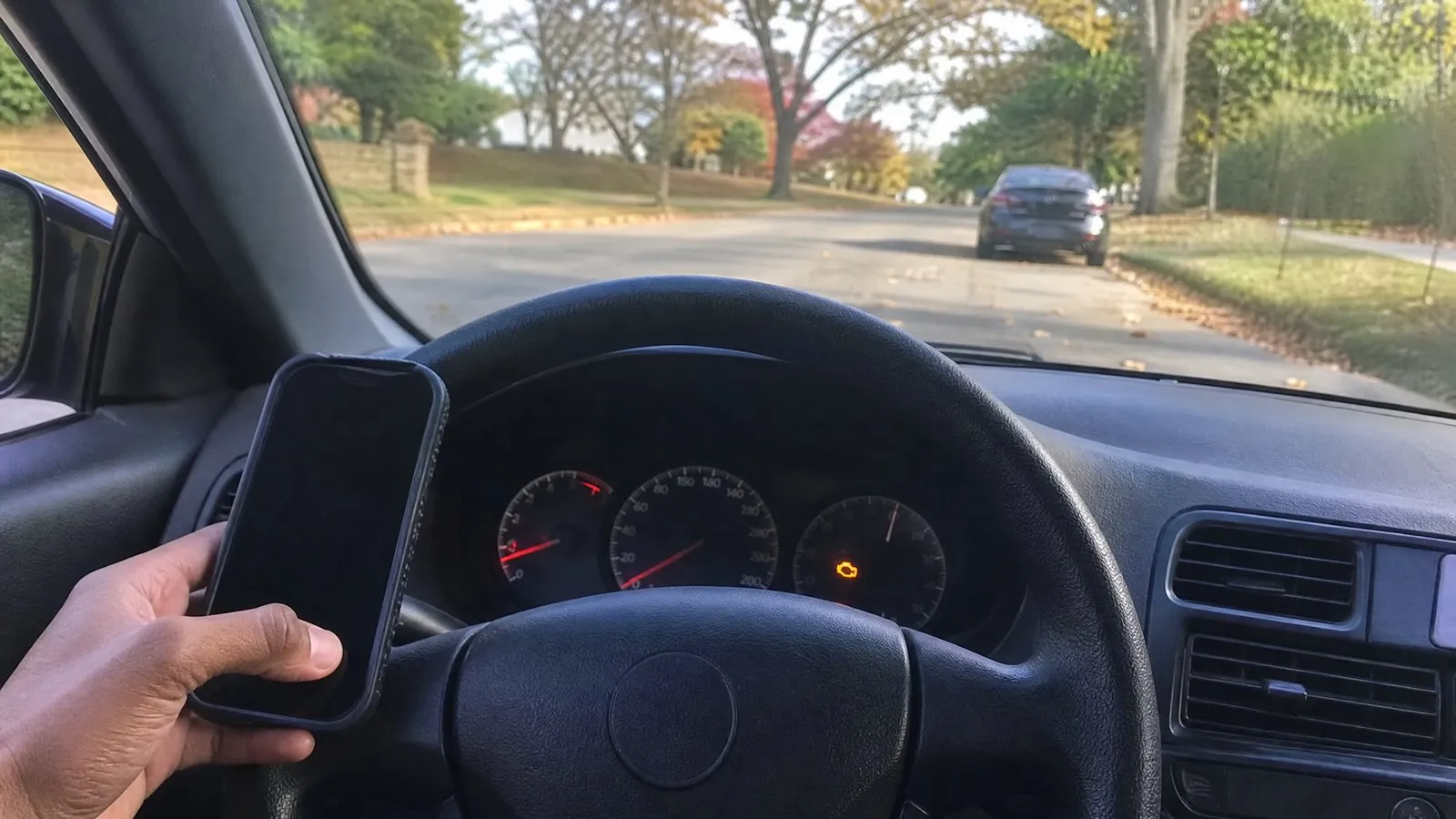
| Check engine | Amber | Engine or emissions issue | Steady: check soon. Flashing: slow down, get help now |
| ABS | Amber | Anti-lock braking system fault | Brakes still work; get it checked; avoid hard stops |
| Traction/stability (ESC) | Amber | System fault, or (blinking) it’s active | Blinking = working. Steady = have it checked |
| TPMS (tire pressure) | Amber | A tire is low, or sensor fault | Check and adjust pressures; flashing can mean a sensor fault |
| Power steering | Amber/red | Steering assist reduced or failed | Steering gets heavy; drive gently to a shop |
Below, here’s more detail on each one.
Red lights: stop or act now
Oil pressure
A red oil-can symbol means the engine may not be getting enough oil pressure to protect its moving parts. This is one of the most serious warnings on the dash. Running an engine with no oil pressure can destroy it in minutes.
If it comes on while driving, pull over as soon as it’s safe and switch off the engine. Don’t treat it as a “low oil” reminder you can top up later and keep going. Once stopped, you can check the oil level, but if the light was on, the safe move is to have the car looked at rather than drive it.
See Oil Pressure Warning Light: Why You Should Stop Driving and How to Check Your Engine Oil.
Coolant temperature
A red thermometer (often shown over waves) means the engine is overheating. Keep driving and you risk a warped cylinder head or blown head gasket, which can run well over $1,000 to repair.
Turn off the air conditioning, turn the heater to full hot to pull heat away from the engine, and pull over. Let the engine cool for at least 30 to 45 minutes before you even think about opening anything. Never open the radiator or coolant cap while the engine is hot; pressurized steam can cause serious burns.
Full steps are in Car Overheating? What to Do (and What Never to Do) and How to Check and Top Up Coolant (Antifreeze) Safely.
Brake system
A red circle with an exclamation point (or the word BRAKE) has a few possible causes. The most common and harmless: the parking brake is still partly on. Release it fully and the light should go out.
If it stays on, the likely causes are low brake fluid or a fault in the system. Low fluid can mean worn brake pads or a leak. Because this is your ability to stop the car, don’t ignore it. If the brake light comes on together with the ABS light, or the pedal feels soft or sinks to the floor, stop driving and call for help.
More in Signs Your Brakes Need Attention and Brake Fluid: When to Check It and When to Replace It.
Battery / charging
A red battery symbol doesn’t mean the battery is simply low. It means the charging system (usually the alternator) isn’t keeping the electrical system powered. The car is running on battery reserve and may stall once that runs down, often within 20 to 60 minutes.
Turn off non-essentials like the radio, heated seats, and A/C, and drive directly to a shop or home. Don’t shut the engine off unless you have to, because you may not be able to restart it.
See Battery Light On While Driving: What It Means and What to Do and How Long Does a Car Battery Last? Signs It’s Dying.
Airbag (SRS)
A red figure with a circle in front (the airbag or “SRS” light) means the supplemental restraint system has a fault. Your car drives normally, but the airbags or seatbelt pretensioners may not work properly in a crash.
This isn’t a pull-over-now emergency, but it is a safety system, so get it diagnosed promptly. Faults range from a loose connector under a seat to a failed sensor.
Amber lights: check soon
Check engine
The check engine light (an engine-block outline, sometimes labeled “CHECK ENGINE”) covers everything from a loose gas cap to a misfiring cylinder. That’s why the way it behaves matters.
- Steady amber: The car has detected a problem but considers it stable. Keep driving gently and get it scanned within a few days. Many auto parts stores read the code for free.
- Flashing: This usually signals an active engine misfire that can damage the catalytic converter. Ease off the accelerator, reduce speed, and get it checked right away.
A simple first step: make sure the fuel cap is fully tightened, since a loose cap is a common trigger. Full guidance is in Check Engine Light On? What to Do Right Now.
ABS
The amber “ABS” light means the anti-lock braking system has a fault. Your regular brakes still work normally, so you can drive, but the anti-lock function (which prevents wheel lockup during hard or slippery stops) may not engage.
Drive with extra following distance and avoid slamming the brakes, then have it checked. If the ABS light and the red brake light are on at the same time, treat it as urgent and stop driving.
Traction / stability control (ESC)
This light, often a car with wavy skid lines, does two jobs. When it blinks briefly, the system is actively working to keep you from losing grip, which is normal on wet or icy roads. When it stays on steadily, either the system has been switched off (there’s usually a button) or there’s a fault.
If you didn’t turn it off and it won’t clear, have it scanned. It often shares sensors with the ABS, so the two faults can appear together.
TPMS (tire pressure)
The tire pressure monitoring system light looks like a horseshoe or cross-section of a tire with an exclamation point. A steady light means at least one tire is low, commonly from a slow leak or a cold snap. A flashing TPMS light (usually for 60 to 90 seconds at startup) points to a sensor or system fault rather than a flat.
Check all four tires with a gauge and inflate to the pressure on the sticker in the driver’s door jamb, not the number on the tire. Cold weather alone can drop pressure enough to trigger it; tire pressure falls roughly 1 psi for every 10°F the temperature drops.
See Tire Pressure Light (TPMS): Steady vs Flashing and How to Reset It and How to Check Tire Pressure the Right Way.
Power steering
On cars with electric power steering, an amber (sometimes red) steering-wheel symbol, often with an exclamation point, means assist has been reduced or lost. The steering still works, but it can suddenly feel much heavier, especially at low speeds and when parking.
Slow down, keep a firm grip, and drive gently to a shop. On some cars a simple restart resets a temporary glitch, but a light that keeps returning needs diagnosis.
Green and blue lights: just information
These never need action. Common ones include:
- Green: turn signals, headlights on, cruise control set, front/rear fog lights.
- Blue: high beams are on. Switch to low beams for oncoming traffic.
If a normally green or blue indicator doesn’t light up when it should, you may have a bulb out, which is worth fixing but not an emergency.
What to do when a light comes on
A calm, repeatable process beats panic every time:
- Note the color. Red means stop or act now; amber means check soon.
- If it’s red, find a safe place to pull over and switch off the engine (except the charging light, where you may want to keep driving to a safe stop).
- Look it up. Use your owner’s manual or our Warning Light Guide to match the symbol.
- Do the quick checks that fit the light: oil level, coolant level, tire pressures, fuel cap, parking brake.
- Decide: drive or get help. If a safety system (brakes, steering, airbags) is affected, or you’re unsure, have it checked rather than guessing.
Many warning lights are far cheaper to deal with early. For what typical repairs cost, see Average Car Repair and Maintenance Costs, and to avoid being talked into work you don’t need, see How to Avoid Unnecessary Car Repair Upsells.
The best way to see fewer warning lights is routine upkeep. A quick 10-Minute Monthly Car Checklist and sticking to your maintenance schedule catch low fluids, soft tires, and worn parts before the dash ever lights up.
FAQ
Is it safe to drive with a warning light on?
It depends on the color. A green or blue light is just information. An amber light usually means you can drive carefully to a shop within a day or two. A red light for oil pressure, coolant temperature, brakes, or charging means stop as soon as it’s safe. When unsure, treat it as urgent.
Why do all my dashboard lights come on when I start the car?
That’s a normal self-check. Most cars briefly illuminate the warning lights when you turn the key or press start, then switch them off within a few seconds once the systems confirm they’re working. A light that stays on after startup is the one to pay attention to.
What’s the difference between a steady and a flashing warning light?
Flashing is more urgent. A flashing check engine light usually means an active misfire that can damage the catalytic converter, so slow down and get help quickly. A blinking traction/stability light simply means the system is working. A flashing TPMS light often points to a sensor fault rather than a flat tire.
Can a loose gas cap really turn on the check engine light?
Yes. A loose or failing fuel cap lets fuel vapor escape, which the car’s emissions system detects and flags with a check engine light. Tighten the cap until it clicks, then drive normally. The light may take a few drive cycles (sometimes a day or two) to clear on its own.
Do the symbols mean the same thing on every car?
The colors and general ideas are consistent, but the exact symbols vary by manufacturer, and there’s no single global standard. Your owner’s manual has a complete legend for your specific vehicle, and our Warning Light Guide lets you match symbols you don’t recognize.
A note on health information: Our guides are general information for typical passenger cars. Always follow your vehicle's owner's manual, and have safety-critical problems such as brakes or steering checked by a qualified mechanic. If a warning light is red or the car drives differently, stop safely and get help.