How Often Should You Really Change Your Oil?
Most modern cars go 5,000 to 10,000 miles between oil changes, not 3,000. Here's how to find your real interval based on oil type and driving.
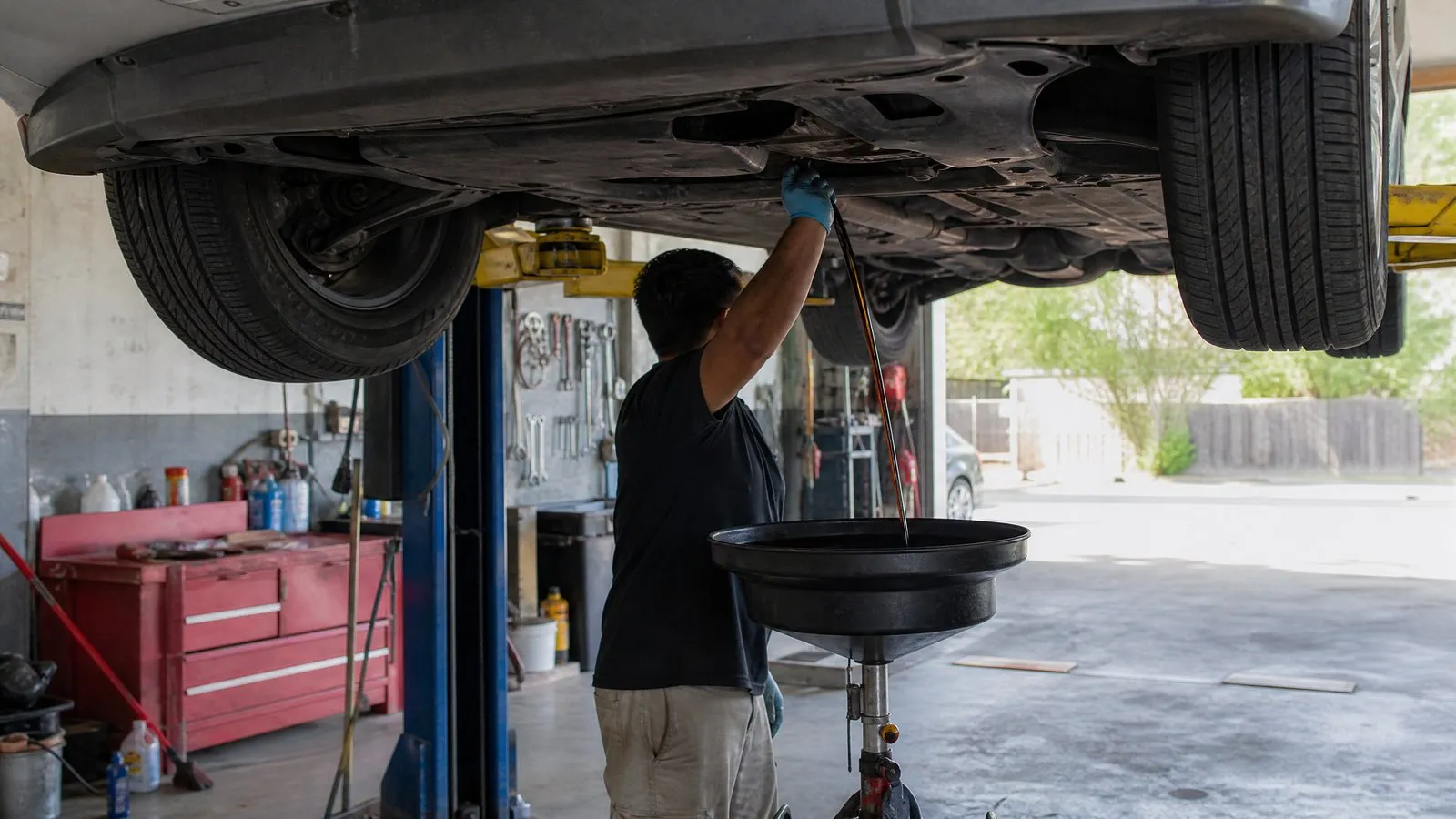
Most modern cars don’t need an oil change every 3,000 miles. The typical interval today is 5,000 to 7,500 miles on synthetic blend, and 7,500 to 10,000 miles (sometimes more) on full synthetic. The real number for your car is printed in your owner’s manual, and your dashboard oil life monitor tracks it for you. The 3,000-mile rule is a holdover from decades ago that mostly benefits the shop selling the service.
Here’s how to find the interval that actually fits your car and how you drive.
Why the 3,000-mile rule is outdated
The 3,000-mile recommendation made sense in the 1970s and 80s. Engines ran dirtier, tolerances were looser, and conventional oil broke down faster. Change intervals that short were reasonable insurance.
Three things changed:
- Oils got much better. Modern synthetic and synthetic-blend oils resist heat and breakdown far longer than the straight mineral oils of the past.
- Engines got cleaner and more precise. Tighter manufacturing, better filtration, and fuel injection keep oil cleaner for longer.
- Monitoring got smarter. Many cars now calculate oil life based on how you actually drive, not a fixed mileage.
Today, nearly every manufacturer specifies an interval well beyond 3,000 miles. Changing oil that often on a modern car rarely causes harm, but it wastes money and oil. The Car Care Council has pointed out for years that intervals should follow the manufacturer’s schedule, not a one-size-fits-all number.
Want a quick answer for your specific car? Try our Oil Change Calculator to estimate your interval based on oil type and driving conditions.
Typical intervals by oil type
Oil type is the biggest factor in how long you can safely go. Here’s where most passenger cars, crossovers, and small SUVs land.
| Oil type | Typical interval | Best for |
|---|---|---|
| Conventional | 3,000–5,000 miles | Older engines, low-cost maintenance |
| Synthetic blend | 5,000–7,500 miles | Everyday driving, light duty |
| Full synthetic | 7,500–10,000+ miles | Most modern engines, turbos, extreme temps |
| High-mileage (any type) | Same as base type | Engines over ~75,000 miles that burn or leak oil |
A few important notes:
- Use the oil grade your manual specifies (for example, 0W-20 or 5W-30). The wrong viscosity can hurt fuel economy and, in some engines, cause real damage. Many newer cars require full synthetic, so switching to conventional isn’t optional.
- Longer intervals assume you also change the oil filter at the same time. Most shops do this automatically.
- “Up to 10,000 miles” is a ceiling, not a target. If your driving is tough (more on that below), aim for the lower end of the range.
Time matters as much as mileage
Oil degrades with time, not just use. If you drive very little, you still need regular changes.
The common rule is every 6 to 12 months, whichever comes first, even if you haven’t hit the mileage. Many manufacturers specify 12 months; some say 6. A car that only sees 3,000 miles a year still needs oil changed on a time basis, because moisture and combustion byproducts build up in oil that sits.
So the honest rule is: change at your mileage interval OR your time interval, whichever comes first. If your manual says 7,500 miles or 12 months and you only drove 4,000 miles this year, you still change it at the 12-month mark.
Severe driving: when to shorten the interval
Here’s the part most drivers miss. Manufacturers publish two schedules: “normal” and “severe” (sometimes called special operating conditions). A surprising number of ordinary drivers actually fall under severe.
You’re likely in the severe category if you regularly do any of these:
- Lots of short trips (under about 5–10 miles), especially in cold weather, so the engine never fully warms up
- Stop-and-go city traffic or extended idling
- Towing a trailer or carrying heavy loads
- Driving on dusty, sandy, or gravel roads
- Extreme heat or sustained cold (very hot summers, deep-cold winters)
- Frequent high-speed driving in hot weather
Short trips are the sneaky one. When an engine doesn’t reach full operating temperature, water vapor and fuel don’t burn off, and they contaminate the oil. A driver who commutes 4 miles each way may need oil changed more often than someone who drives 40 miles on the highway daily.
Under severe conditions, shorten your interval toward the lower end of the range — often by around 25 to 50 percent. If your normal interval is 7,500 miles, severe service might mean 5,000. Your manual will give the exact severe-service figure.
Oil life monitors: trust them, but verify
Most cars built in the last 10 to 15 years have an oil life monitoring system. There are two kinds:
- Mileage-based (simple): counts down a fixed mileage you or the dealer set.
- Algorithm-based (smart): estimates oil life from real data — engine temperature, cold starts, trip length, rpm, and load. GM’s Oil Life System and similar setups from other automakers work this way.
The smart systems are genuinely useful because they adapt to severe driving automatically. When the monitor reads around 15 percent or lower, or shows a “Change oil soon” message, plan the service within the next few hundred miles. At 0 percent, don’t panic — it’s a prompt, not an emergency — but get it done promptly.
Two cautions:
- Reset the monitor after every oil change. If a shop forgets, the countdown will be wrong. You can usually reset it through the dashboard menu or a button sequence in your manual.
- Don’t rely on the monitor alone for time. Most monitors track usage, not calendar months. If you drive very little, the 6–12 month rule still applies even if the monitor says 60 percent.
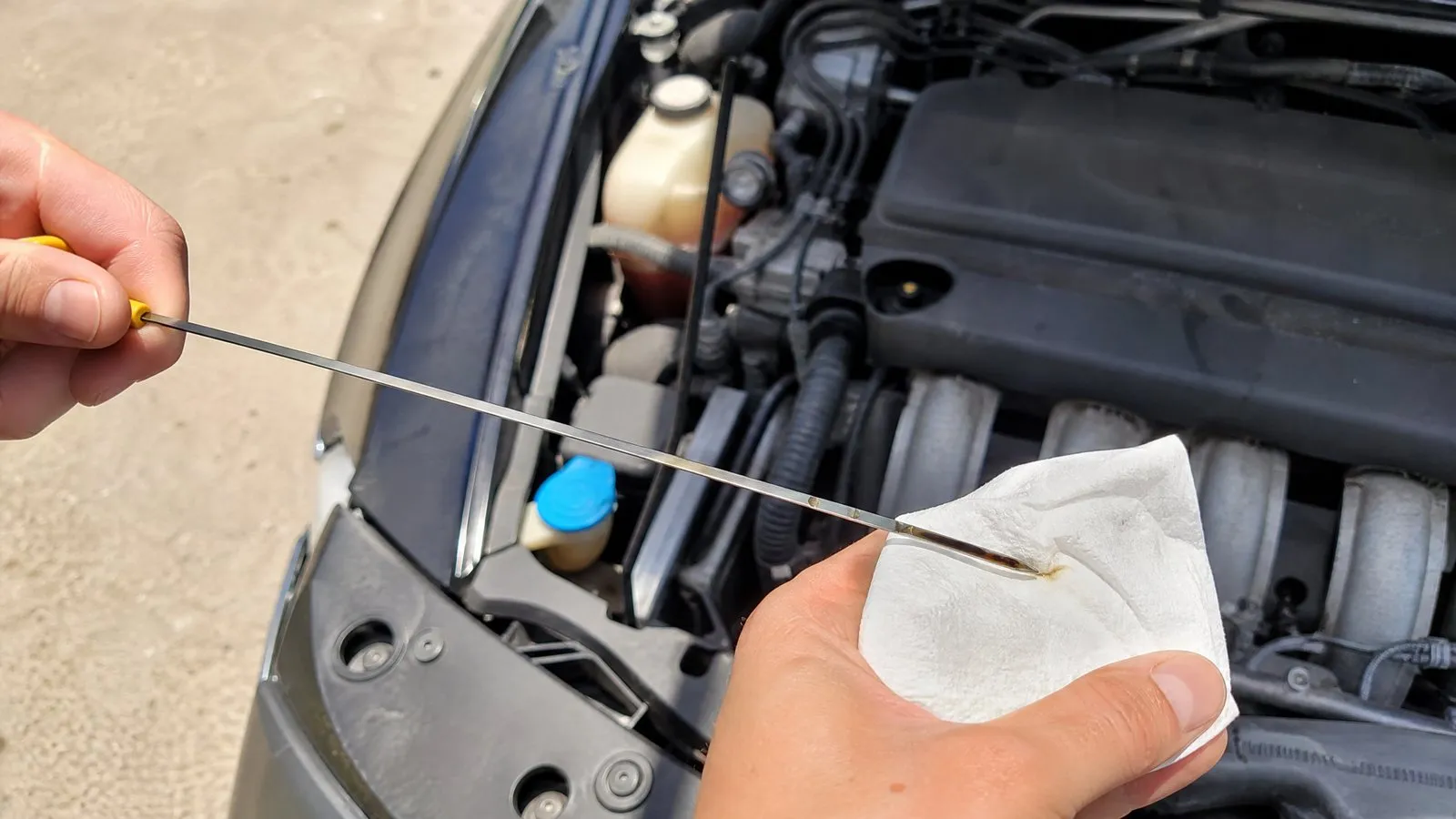
Whatever the monitor says, it’s still worth checking your oil level and condition yourself between changes. Here’s how to check your engine oil and what the color tells you — it takes five minutes and catches problems early.
Why the owner’s manual always wins
Every engine is engineered differently, and the people who designed yours know its needs better than any general rule. Your owner’s manual is the final word on:
- The exact mileage and time interval
- Whether you need conventional, synthetic blend, or full synthetic
- The correct oil viscosity and specification
- The normal vs. severe schedule for your car
If you follow the manual’s schedule and keep receipts, you also protect your warranty. Skipping documented oil changes is one of the few things that can let a manufacturer deny an engine claim. For how that fits the bigger picture, see our guide to factory warranty vs extended warranty.
Lost your manual? Most automakers post a PDF version on their website, and the maintenance schedule is sometimes in a separate booklet.
A simple way to decide
Put it all together:
- Find your oil type and interval in the manual. That’s your baseline.
- Check whether you drive under severe conditions. If yes, use the shorter severe-service interval.
- Apply the time limit. Change at your mileage or at 6–12 months, whichever comes first.
- Watch the oil life monitor and reset it after every change.
- Check the oil yourself once a month to catch low levels or problems between changes.
A quick worked example: Say you drive a crossover that calls for full synthetic at 7,500 miles or 12 months, normal service. You commute 6 miles each way in a cold climate and drive about 6,000 miles a year. Those short, cold trips put you in severe service, so you shorten to about 5,000 miles — but since you only drive 6,000 miles a year, the 12-month limit hits first. You’d change roughly once a year, or sooner if the monitor drops low.
What an oil change costs
Knowing typical prices helps you spot both overcharging and lowball “loss leader” offers.
| Service | Typical US price range |
|---|---|
| Conventional oil change | $35–$65 |
| Synthetic blend | $45–$75 |
| Full synthetic | $65–$120 |
Prices run higher for larger engines that hold more oil, for vehicles that require special filters, and in high-cost metro areas. A very cheap advertised price often doesn’t include the full-synthetic oil your car actually requires, so confirm what’s included. For more context, see our breakdown of average car repair and maintenance costs and how to avoid unnecessary repair upsells.
Oil changes are one piece of a larger routine. If you’re just getting started, our car maintenance schedule for beginners and 10-minute monthly car checklist will keep you on track without overspending.
When to call a professional
Change your oil on schedule, but also watch for signs of trouble between changes. Get your car to a mechanic promptly if you notice:
- The oil pressure warning light. This is serious — stop driving as soon as it’s safe. Here’s why you should stop for the oil pressure light.
- Oil level dropping noticeably between changes (possible leak or burning oil)
- Oil that looks milky or foamy, which can indicate coolant mixing in
- Knocking or ticking that gets louder with engine speed
- Burning-oil smell or visible smoke
If you’re unsure whether something’s normal, a trustworthy shop is worth finding before you need one. Our guide on how to find a good mechanic you can trust can help.
FAQ
Is it bad to change oil more often than needed?
No, it won’t hurt your engine — changing early is safe. But on a modern car it’s usually a waste of money and oil, since today’s synthetic oils are designed to last the full manufacturer interval.
Can I switch from conventional to full synthetic?
Usually yes, and many older engines benefit from it. But check your manual first: some engines require a specific oil, and switching won’t let you extend the interval beyond what the manual allows for that engine. Synthetic doesn’t repair existing leaks or damage.
Does the oil life monitor replace the owner’s manual?
Not entirely. Smart monitors adapt well to how you drive, but most track usage rather than calendar time. Follow the monitor for mileage and still apply the 6–12 month time limit if you drive very little.
How do I know if I drive under “severe” conditions?
If you mostly take short trips under about 10 miles, sit in heavy traffic, tow, drive on dusty roads, or face extreme heat or cold, you likely qualify. Many everyday commuters do. Use the severe-service interval in your manual, which is shorter than the normal one.
What happens if I skip an oil change?
Old oil loses its ability to lubricate and cool, which accelerates engine wear and can lead to sludge or, eventually, serious engine damage. Occasionally going a little over isn’t catastrophic, but repeatedly skipping changes is one of the fastest ways to shorten an engine’s life — and it can void your warranty.