The 6 Car Fluids to Know: What They Do and How to Check Them
Learn the 6 car fluids every driver should know: engine oil, coolant, brake, transmission, power steering and washer fluid, plus how to check each safely.
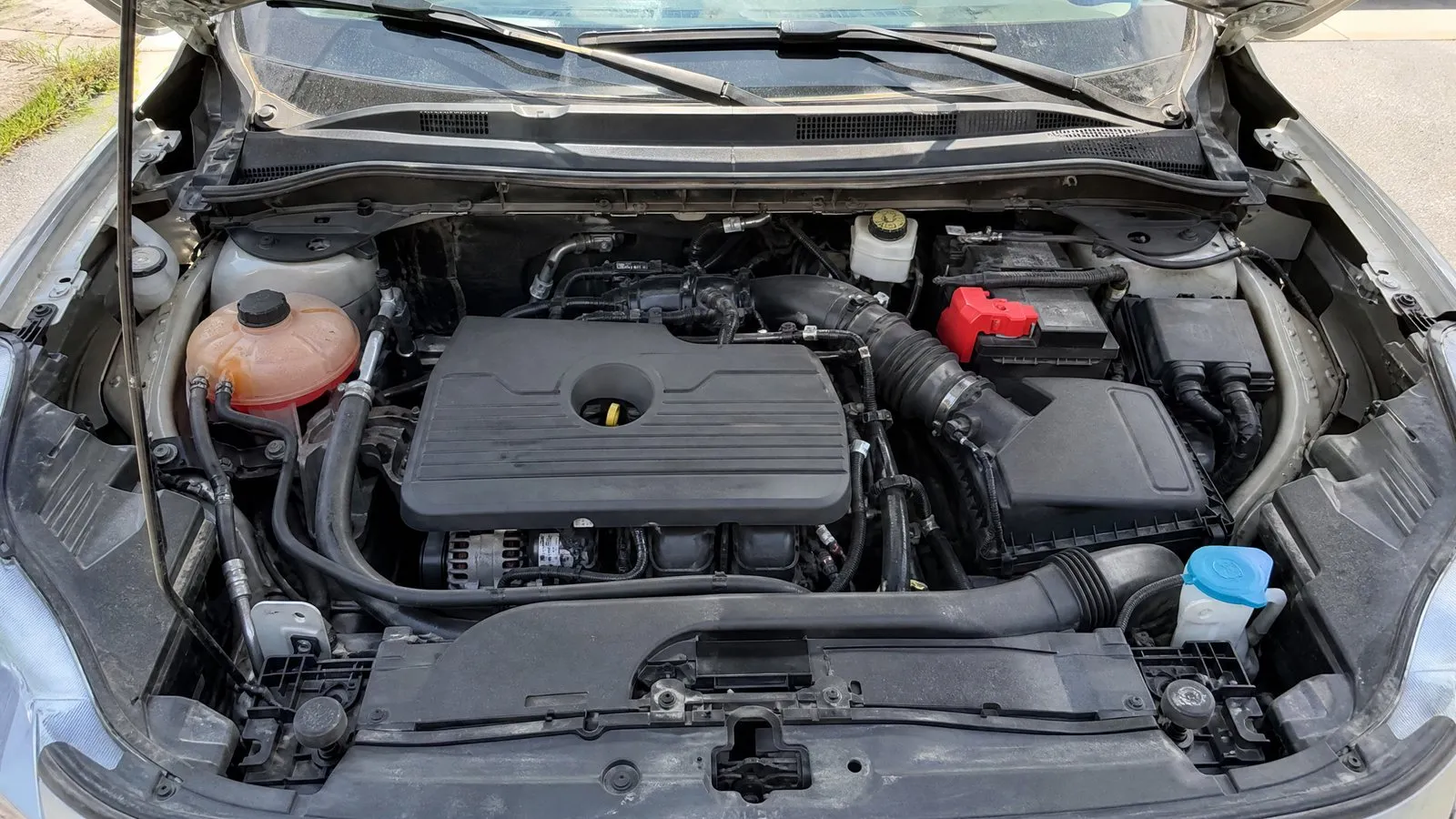
Your car runs on six fluids, and checking most of them takes about five minutes with the engine off and the car parked level. The big ones to watch are engine oil, coolant, brake fluid, transmission fluid, power steering fluid (only if your car uses a hydraulic system), and windshield washer fluid. Catching a low level or a leak early is the difference between a $20 top-up and a four-figure repair.
Here’s what each fluid does, where to find it, how often to check it, and what a puddle under your car might be telling you.
The quick reference table
Use this as your cheat sheet. Specifics vary by car, so your owner’s manual is always the final word.
| Fluid | What it does | Where to check | How often | Leak color hint |
|---|---|---|---|---|
| Engine oil | Lubricates and cools engine parts | Dipstick (or digital gauge on some newer cars) | Monthly, and before long trips | Amber to dark brown/black |
| Coolant (antifreeze) | Carries heat away from the engine; prevents freezing | Plastic overflow/reservoir tank | Monthly (check cold only) | Green, orange, pink, yellow or blue; sweet smell |
| Brake fluid | Transfers pedal force to the brakes | Reservoir on the firewall, near driver’s side | Monthly glance; service per manual | Clear to amber, oily feel |
| Transmission fluid | Lubricates and drives the transmission | Dipstick (if equipped) or sealed/dealer-only | Per manual; many are “sealed” | Red, pink, or brown |
| Power steering fluid | Pressurizes hydraulic steering | Small reservoir with mini-dipstick cap | Monthly (hydraulic systems only) | Red, pink, or clear/amber |
| Washer fluid | Cleans the windshield | Reservoir with a washer-symbol cap | Whenever low | Blue, green, or purple; watery |
Engine oil
Engine oil is the most important fluid to stay on top of. It lubricates the moving parts inside your engine and helps carry away heat. Run low or old, and you risk expensive engine wear.
How to check it:
- Park on level ground and let the engine cool for a few minutes after driving.
- Pull the dipstick (usually a brightly colored loop), wipe it clean, reinsert it fully, then pull it again.
- The film of oil should sit between the two marks (often “MIN” and “MAX,” or a crosshatched zone).
- Check the color too. Fresh oil is amber; very dark, gritty oil means it’s due for a change.
Some newer cars have replaced the dipstick with a digital oil-level readout in the dashboard menu. If you can’t find a dipstick, that’s likely why.
Most drivers should check oil about once a month and top up with the grade listed in the manual or on the oil cap. For the full walkthrough, see How to Check Your Engine Oil (and What the Color Tells You), and for change intervals, How Often Should You Really Change Your Oil?.
If an oil pressure warning light comes on while driving, that’s different from a low level you catch at a check. Stop safely as soon as you can, because running the engine without oil pressure can destroy it in minutes. See Oil Pressure Warning Light: Why You Should Stop Driving.
Coolant (antifreeze)
Coolant cycles through your engine and radiator to keep operating temperature in a safe range. It also stops the system from freezing in winter and boiling over in summer.
Safety first: never open a hot coolant cap. A hot cooling system is pressurized, and opening the radiator cap or pressure cap can send scalding fluid and steam out with real force. Wait until the engine is fully cool, ideally after sitting for a few hours or overnight.
How to check it: On most cars you don’t need to open anything. Look at the translucent plastic overflow reservoir and compare the fluid level to the “MIN”/“MAX” or “COLD”/“HOT” marks molded into the side. Check it cold.
Coolant comes in several colors (green, orange, pink, yellow, blue), and the colors indicate different chemistries that should not be casually mixed. Use the type specified for your car. Top-up and full instructions are in How to Check and Top Up Coolant (Antifreeze) Safely.
If your temperature gauge climbs into the red or you see steam, don’t push on. Read Car Overheating? What to Do (and What Never to Do). And before cold weather arrives, How to Get Your Car Ready for Winter covers getting your coolant mix right.
Brake fluid
Brake fluid is what turns your foot pressure into actual stopping power. When you press the pedal, the fluid transmits that force through the lines to the brakes at each wheel. It’s a hydraulic system, so it needs to stay full and relatively clean.
How to check it: Find the brake fluid reservoir, usually a small translucent tank mounted on the firewall toward the driver’s side, near the back of the engine bay. You can read the level through the plastic against the “MIN” and “MAX” lines without opening the cap. Fresh fluid is clear to light amber; dark brown fluid suggests it’s time for a service.
A few important notes:
- A slowly dropping brake fluid level often tracks with worn brake pads, because fluid shifts to the caliper pistons as pads thin. That’s normal up to a point, but it’s also a cue to have the pads inspected.
- A sudden drop, or a soft/spongy pedal, points to a possible leak. Treat that as urgent and get it checked before driving far.
- Brake fluid absorbs moisture over time, which is why manufacturers call for periodic replacement, commonly every 2 to 3 years regardless of mileage.
Don’t top up repeatedly to mask a problem. If the level keeps falling, something needs fixing. See Brake Fluid: When to Check It and When to Replace It and Signs Your Brakes Need Attention (Don’t Ignore These).
Transmission fluid
Transmission fluid lubricates the gears and, in automatics, actually transmits power and helps shift gears. Low or degraded fluid can cause rough shifting, slipping, or expensive damage.
Here’s the catch: many modern transmissions are “sealed” and have no dipstick. The manufacturer intends for the level and condition to be checked at a shop, sometimes only when the car is at a specific temperature. If you have no transmission dipstick, that’s by design, not a mistake.
If your car does have a dipstick, the check is similar to oil, but the procedure differs by model. Some require the engine running and warm, in park or neutral, on level ground. Always follow your manual’s exact steps, since checking at the wrong temperature gives a false reading. Healthy automatic transmission fluid is usually red or pink; if it’s brown and smells burnt, have it inspected.
Change intervals vary widely, from “lifetime fill” claims to every 30,000–60,000 miles under severe use. For how to tell what your car actually needs, read Transmission Fluid Basics: Do You Need to Change It?.
Power steering fluid (hydraulic systems only)
Power steering fluid makes the wheel easier to turn by pressurizing a hydraulic assist system. The important qualifier: many cars built in the last 10–15 years use electric power steering, which has no fluid to check. If your steering is electric, you can skip this one entirely.
How to tell which you have: Look for a small reservoir, often with a mini-dipstick built into the cap and a power-steering or steering-wheel symbol. If there’s no such reservoir and the manual doesn’t mention power steering fluid, your car is almost certainly electric.
How to check (hydraulic systems): With the engine off and cool, wipe and read the mini-dipstick against the “MIN”/“MAX” or “COLD”/“HOT” marks. Top up only with the fluid type your manual specifies, as the wrong fluid can damage seals.
Signs of trouble include a whining or groaning noise when you turn, especially at low speed, or heavy, stiff steering. Those often mean low fluid or a leak worth having checked.
Washer fluid
Washer fluid is the one you can safely refill as often as you like, and the only one where a mistake won’t cost you an engine. It keeps your windshield clear of bugs, road film, and winter grime, which matters more for safety than people assume.
How to check and fill: Find the reservoir cap marked with a windshield/water-spray symbol, pop it open, and pour fluid in until it’s near full. That’s it, no level precision required.
A few practical tips:
- Don’t use plain water, especially in winter. It can freeze in the reservoir and lines, and it doesn’t clean as well. Use washer fluid rated for your climate; winter blends resist freezing to well below 0°F.
- If your washers spray weakly or not at all, the nozzles may be clogged or the reservoir empty.
- While you’re at the windshield, check your wiper blades. Streaking or chattering means they’re due. See How to Replace Wiper Blades in Five Minutes.
Reading a puddle under your car
If you spot a leak, the color and location give you clues. Slide a piece of cardboard under the car overnight to see it clearly.
- Amber to black, oily: engine oil, often near the front-center of the engine.
- Green, orange, pink or blue, sweet-smelling: coolant.
- Red or pink: transmission fluid or, on hydraulic cars, power steering fluid.
- Clear and oily, near a wheel or the firewall: possible brake fluid, which deserves prompt attention.
- Clear and watery, especially in warm weather: usually just A/C condensation, which is normal.
Any brake or large coolant leak is worth addressing before you drive far. For cost context on repairs, see Average Car Repair and Maintenance Costs (Itemized), and to avoid being talked into work you don’t need, How to Avoid Unnecessary Car Repair Upsells.
Build it into a routine
You don’t need to check all six every week. A simple rhythm:
- Monthly: engine oil, coolant level (cold), a glance at the brake reservoir, and top up washer fluid. This fits neatly into The 10-Minute Monthly Car Checklist Anyone Can Do.
- Per the manual: brake fluid replacement, transmission fluid, and any power steering service.
- Before a long trip: all of the above, plus tires. See What to Check Before a Long Road Trip.
For the bigger picture on timing and services, Car Maintenance Schedule for Beginners: What to Do and When ties it all together. If a warning light shows up during any of this, Dashboard Warning Lights Explained: What Each One Means will help you decode it.
FAQ
Can I mix different colors of coolant?
Not freely. Coolant colors signal different chemical formulations, and mixing incompatible types can reduce corrosion protection or form gunk. Top up with the type specified in your manual. If you don’t know what’s in the system, a shop can flush and refill it correctly.
Why is my brake fluid going down but I don’t see a leak?
The most common reason is normal brake pad wear. As pads get thinner, fluid moves to fill the calipers, lowering the reservoir slightly. If the drop is large or sudden, or the pedal feels soft, suspect a leak and have it checked right away rather than just topping up.
How do I know if my car even has power steering fluid?
Check for a small reservoir in the engine bay with a steering-wheel or power-steering symbol on the cap, and look in your owner’s manual. Many recent cars use electric power steering with no fluid at all. If there’s no reservoir and no mention in the manual, there’s nothing to check.
Is it safe to use water in the washer fluid reservoir?
In a pinch during warm weather, water will clear light dust, but it cleans poorly and can freeze and crack components in cold weather. Proper washer fluid is inexpensive, so it’s worth keeping a jug on hand and using a winter-rated blend when temperatures drop.
How long can I drive with the coolant slightly low?
A small shortfall you catch during a cold check can usually be topped up and monitored. But if the level keeps dropping, you have a leak, and running low risks overheating and serious engine damage. If the temperature gauge climbs or you see steam, stop and let it cool before doing anything.